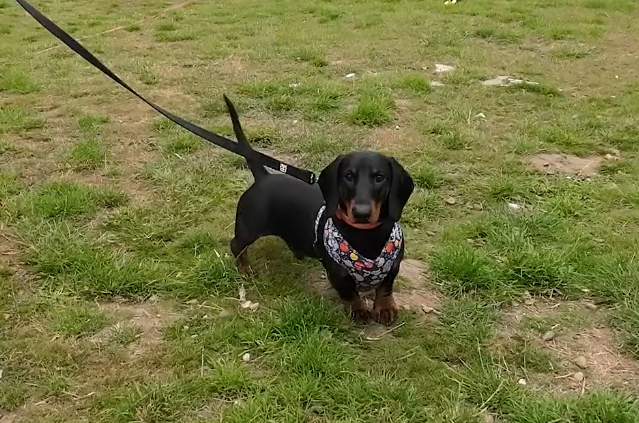
Stop Pulling Back on the Lead – Why It Makes Reactivity Worse (And What To Do Instead)
Helpful Tips
Stop Pulling Back on the Lead – Why It Makes Reactivity Worse (And What To Do Instead)
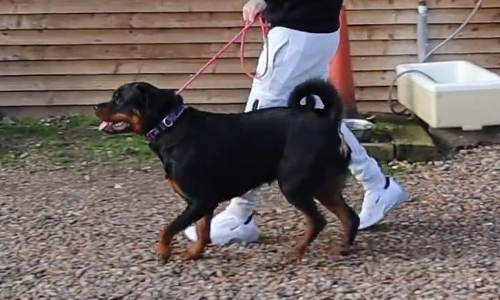
One of the most common mistakes I see—especially with reactive dogs—is this:
👉 Owners pulling back on the lead every time their dog sees a trigger.
Another dog. A person. A distraction.
It feels like you’re doing something… but in reality, you’re often making the problem worse.
🚫 Why Pulling Back on the Lead Doesn’t Work
When your dog locks onto a trigger, what do most people do?
They:
Tighten the lead
Pull backwards
Hold tension
The problem is:
👉 Your dog can still fixate and react
👉 But now they’re also dealing with constant pressure on the lead
This creates:
More frustration
More tension
More likelihood of barking or lunging
You’re not interrupting the behaviour—you’re just holding onto it.
🧠 What’s Actually Happening
When a dog fixates:
Their focus is locked onto the trigger
Their arousal level is rising
They’re preparing to react
If you just pull back:
👉 You’re not changing their state of mind
👉 You’re just physically restraining them
And restraint often builds more frustration, not less.
⚠️ Why This Can Make Reactivity Worse
Over time, this pattern teaches your dog:
“Every time I see a dog, I feel tension on the lead”
“Things get tighter and more stressful”
This can lead to:
Stronger reactions
Faster escalation
More explosive behaviour
✅ What To Do Instead: Interrupt the Fixation
Instead of pulling back and holding tension, you need to:
👉 Break the fixation
The goal is to:
Interrupt your dog’s focus
Bring their attention back to you
Reset their state before they react
🎯 The Correct Technique (Lead Pop)
A much more effective approach is:
👉 A quick upward pop on the lead, followed by immediate release
Important:
It’s quick and sharp—not constant pressure
You release straight away
It’s used to interrupt, not drag or hold
This creates a clear signal:
👉 “Stop what you’re doing and refocus”
🐕 What This Does for Your Dog
Done correctly, this:
Breaks fixation
Snaps your dog out of that locked-on state
Brings attention back to you
Prevents escalation before it starts
👉 That’s where control actually comes from.
⚖️ Timing Is Everything
This only works if you get the timing right.
You need to act:
As your dog starts to fixate
Not after they’ve already exploded
👉 The earlier you interrupt, the easier it is to manage.
❗ Common Mistakes to Avoid
Holding constant tension on the lead
Pulling backwards repeatedly
Waiting until the dog is already reacting
Being inconsistent with timing
These all reduce clarity and make training harder.
💡 The Key Takeaway
If your dog is reactive on walks:
Pulling back on the lead isn’t control—it’s just tension.
What you actually need is:
Clear communication
Good timing
The ability to interrupt behaviour early
🛠️ Need Help With Reactive Dogs?
If your dog:
Fixates on other dogs
Barks or lunges on walks
Is difficult to control outside
Start with structured training:
Reactivity Seminar
Lead Walking Webinar
👉 These break everything down step-by-step so you can apply it properly.